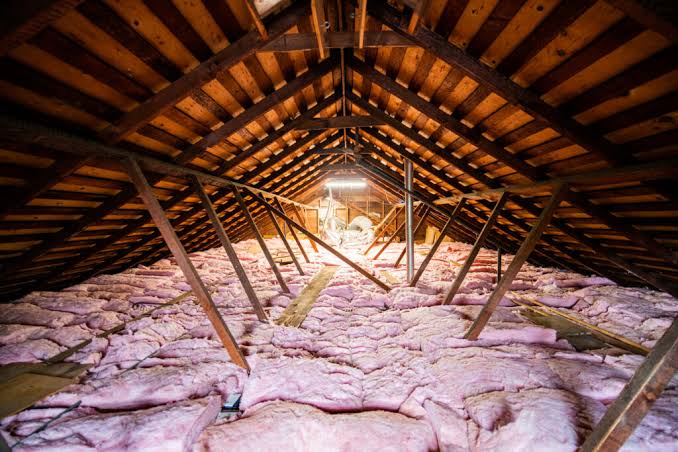
Since heat rises, a poorly insulated attic lets warm air escape in winter and heat pour in during summer — forcing your HVAC to work overtime. Improving attic insulation is one of the highest-return upgrades a Raleigh homeowner can make.
In Raleigh, North Carolina — where summers are hot and humid and winters can turn surprisingly chilly — a properly insulated attic is a game-changer for comfort and energy costs. If you want to lower your energy bills, improve indoor air quality, and add value to your home, attic energy-efficiency improvements are one of the smartest moves you can make.
Why attic energy efficiency matters in Raleigh
The attic drives a big share of your home's energy performance. Because heat naturally rises, a poorly insulated attic lets warm air escape in winter and lets excess heat seep in all summer. Your HVAC system runs longer to compensate, and your energy bills climb. In a city where summers push into the 90s and winters occasionally dip below freezing, good attic insulation keeps your living spaces comfortable year-round — and lowers your energy use, which trims your carbon footprint too.
Key benefits of improving attic insulation
- Lower energy bills: less workload on your air conditioner and heater.
- Enhanced comfort: steadier indoor temperatures no matter the weather outside.
- Moisture control: insulation paired with good ventilation helps prevent moisture buildup and mold.
- Increased home value: energy-efficient homes appeal more to buyers.
- Environmental impact: less energy used means lower greenhouse-gas emissions.
Types of attic insulation for Raleigh homes
The right choice depends on your budget, your attic's current condition, and your long-term goals. Here are the main options, with their trade-offs.
1. Fiberglass batt insulation
Fine glass fibers in pre-cut rolls or sheets — common in many homes.
- Pros: affordable and widely available; easy to install in regular attic spaces; fire-resistant and resistant to moisture.
- Cons: only effective if installed correctly (gaps or compression cut performance); can irritate skin and airways during install; less effective in irregular or hard-to-reach areas.
2. Blown-in cellulose insulation
Recycled paper treated with fire retardants, blown into the attic.
- Pros: great at filling irregular or hard-to-reach spaces; better coverage and fewer gaps than batts; eco-friendly recycled content.
- Cons: can settle over time, reducing effectiveness; may absorb moisture if ventilation is poor; professional installation generally recommended.
3. Blown-in fiberglass insulation
Glass fibers blown in like cellulose, but non-organic.
- Pros: lightweight and non-combustible; resistant to moisture and pests; settles less than cellulose, holding performance longer; good for irregular spaces and topping up existing layers.
- Cons: slightly pricier than cellulose; requires professional installation; can irritate skin and airways during install.
4. Spray foam insulation
A liquid that expands and hardens, insulating and air-sealing at once.
- Pros: excellent air sealing plus insulation; high R-value per inch (more insulation in less space); acts as a moisture barrier.
- Cons: more expensive; requires professional installation; can off-gas if not applied properly.
5. Radiant barrier
A reflective foil installed on the attic rafters to reduce heat gain.
- Pros: especially effective in a hot climate like Raleigh's; reflects radiant heat away to cut cooling costs; lightweight and easy to install.
- Cons: doesn't insulate on its own — it's a complement to insulation, not a replacement; less helpful in winter.
Improvements that make a real difference
Insulation works best alongside a few other upgrades:
- Air sealing: before insulating, seal leaks and gaps around vents, pipes, and chimneys to stop air infiltration.
- Proper ventilation: good attic airflow prevents moisture buildup, reduces mold risk, and extends insulation life.
- Attic-hatch insulation: the access hatch is often overlooked — insulate and weather-strip it to avoid energy loss.
- Ductwork sealing: leaky attic ducts waste conditioned air; sealing and insulating them keeps HVAC efficiency up.
The bottom line
In Raleigh, improving your attic's energy efficiency is good for your wallet and for your home's comfort, health, and environmental footprint. Whichever material you choose — fiberglass batts, cellulose, blown-in fiberglass, spray foam, or a radiant barrier — the key is proper installation plus attention to air leaks and ventilation. Do those well and you'll have a more comfortable, more cost-effective home.