
In the Raleigh area, one of the most overlooked aspects of a home is what is going on inside your ductwork. Very few homeowners ever really look inside their duct systems.
If your home has a crawl space, your HVAC air ducts are likely located there as well. The ductwork starts at your HVAC plenums, then feeds into larger supply ducts, often running to individual distribution boxes. These boxes disperse air into smaller ducts that feed each room inside your Raleigh home.
The ducts are secured by hanging them off the joists using flexible fabric or aluminum straps. Connections between your ductwork, plenums, distribution boxes, or aluminum boots attached to the floor rely on mastic, duct tape, and zip ties. When applied properly, these materials create secure seals — but over time, these connections can weaken.
How duct connections loosen over time
Over many years, vibrations from your HVAC system combined with routine traffic from pest control companies, HVAC technicians, plumbers, contractors, electricians, and even homeowner activities can bump, shove, and nudge your ductwork. This repeated disturbance loosens previously tight duct connections.
When a new home is built with all brand-new ducts and HVAC, it is allowed up to an approximate 5% leakage rate, depending on your location and government codes — but all are allowed a certain number of CFM of leakage per 100 sq ft of living space.
A system that performed well when installed can develop leakage as connections loosen, sealants fail, insulation is disturbed, or ducts are damaged during later service work. The amount cannot be determined from age alone; inspection and, when appropriate, diagnostic testing provide better evidence.
Why an interior duct assessment is critical for Raleigh homeowners
During normal HVAC operation the system is pressurized, and when duct connections are loose, air leaks out. When the system is off and idle, air can leak back in through these gaps. This allows moisture, spores, and musty crawl-space air into your duct system. These contaminants adhere to the interior surfaces of your ductwork and distribution boxes, creating an environment where mold, mildew, and other growth can flourish.
These conditions are known to aggravate allergies, trigger asthma, and can cause more serious health concerns for your household.
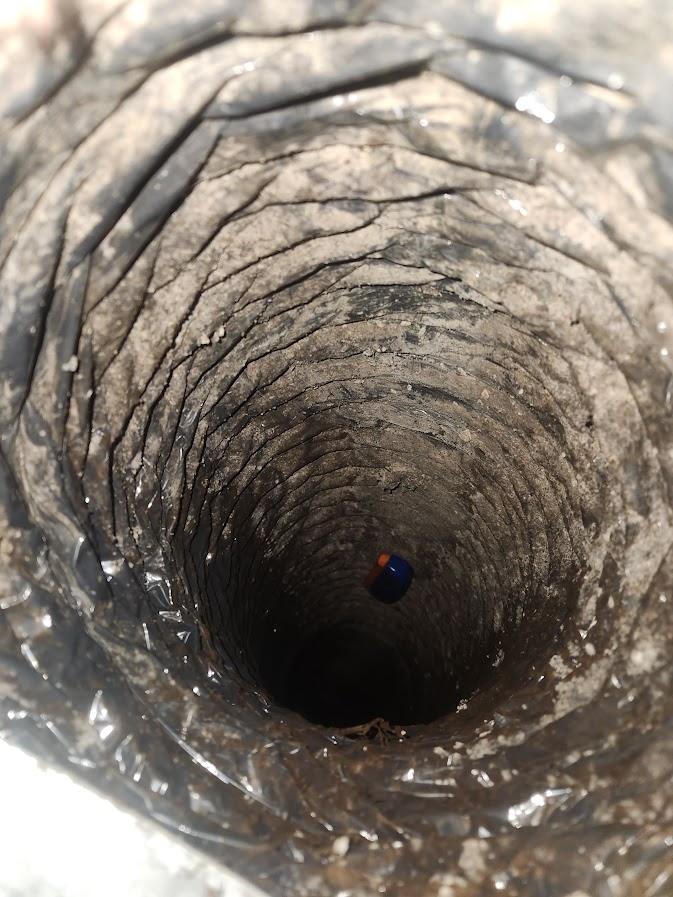
This is why it's so important for Raleigh-area homeowners to have the interior of their ductwork assessed. The exterior of the ductwork may appear fine, but it's what is on the inside that truly matters.
What should a crawl-space duct inspection actually check?
It should check the full accessible supply and return path, not only whether the outside jacket looks clean. Connections, boots, seams, supports, insulation, condensate management, filter access, and visible damage all affect performance.
The EPA's remodeling and indoor-air guidance recommends tightly sealing duct seams and joints and notes that leaky return ducts can create pressure and contamination problems. It also cautions that ordinary cloth duct tape is not a durable duct sealant.
Should ducts be cleaned, sealed, repaired, or replaced?
The answer depends on the condition, source of contamination, and airflow—not on age alone. The EPA does not recommend routine duct cleaning for every home; its air-duct cleaning guidance emphasizes preventing water and dirt from entering the system.
- Seal sound ducts when leaks or disconnected joints are the primary problem.
- Repair damaged insulation and supports when the duct itself remains serviceable.
- Address crawl-space water and humidity before cleaning a system exposed to damp conditions.
- Use an HVAC professional to evaluate airflow, equipment safety, and replacement decisions.
Quick answers
Common questions about this crawl-space decision
Why does the inside of ductwork matter for crawl-space homes?
Supply and return ducts move conditioned air throughout the home. When crawl-space ducts or connections are damaged, return-side leaks can draw air from the surrounding area and supply-side leaks can waste conditioned air. Checking seams, boots, supports, insulation, and visible contamination helps identify whether sealing, repair, cleaning, or replacement deserves further evaluation.
How can I tell if my ductwork is pulling in crawl-space air?
The clearest signs are a persistent musty smell that gets worse when the HVAC runs, visible dust on registers even after cleaning, unexplained allergy symptoms, and cool damp air blowing from vents in summer. These usually trace back to loose duct joints, tears in the sheet-metal seals, or flex-duct that has separated from a boot. A visual inspection tells you within minutes.
Is duct cleaning worth doing in the Raleigh area?
Sometimes yes, sometimes no. Duct cleaning is worth doing when there's visible dust buildup or after a moisture event, but it doesn't fix the underlying cause of contamination. If your ducts are pulling crawl-space air, cleaning will help for a few months, then the problem returns. Fix the crawl-space moisture and seal the ducts first, then decide whether cleaning is still needed.
How long does ductwork typically last in a Raleigh-area home?
There is no single service-life number that applies to every duct system. Material, installation, moisture exposure, physical damage, insulation condition, and prior service all matter. Age can prompt a closer look, but replacement should follow evidence such as damaged liners or jackets, failed connections, persistent contamination, or airflow problems that cannot be corrected reasonably.
Do repair companies typically include ductwork in their quotes?
It varies by contractor and scope. Crawl-space work and HVAC duct work may be quoted separately because they require different expertise. The important step is coordination: the moisture plan should account for the ducts, and the HVAC plan should account for crawl-space conditions. Ask each proposal to state what is included, excluded, and assigned to another trade.