
Ductwork in the attic and crawl space is one of the most overlooked parts of an HVAC system — and in Raleigh's climate, it's also one of the most vulnerable. Deterioration there quietly drives up energy bills, creates hot and cold rooms, and hurts the air you breathe.
Your HVAC system is the heartbeat of your home's comfort, especially in Raleigh, North Carolina, where seasonal extremes demand efficient heating and cooling. A critical but often overlooked part of that system is the ductwork — interior and exterior — running through the attic and crawl space. Over time, deterioration in these areas causes real performance problems, higher energy costs, and poorer indoor air quality. Understanding the causes, signs, and solutions helps Raleigh homeowners keep a safe, efficient home.
Why ductwork in the attic and crawl space matters
Ductwork carries heated or cooled air from your HVAC unit to every room. In Raleigh's humid subtropical climate, ducts in the attic or crawl space face brutal conditions: attics swing between summer heat and winter cold, while crawl spaces stay damp with fluctuating temperatures. Deterioration in either place undercuts your system's efficiency and can lead to costly repairs if it's ignored.
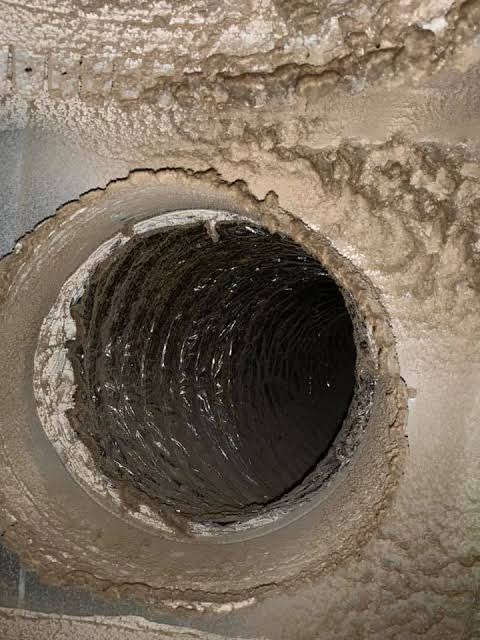
What causes ductwork to deteriorate
1. Temperature extremes and thermal expansion
In the attic, ducts bake in summer heat, expanding and contracting over and over. That thermal cycling weakens joints, opens cracks and tears, and degrades the insulation wrapped around the ducts. Crawl spaces cycle too — cold winters and warm summers stress duct connections and seams.
2. Moisture and humidity damage
Raleigh crawl spaces often carry elevated moisture from soil, groundwater, and poor drainage. That moisture corrodes metal ducts, grows mold on insulation, and breaks down flexible duct materials. Attic ducts aren't immune either — poor attic ventilation lets condensation build up inside the ducts, feeding mold and rust.
3. Pest and rodent intrusion
Attics and crawl spaces are common entry points for rodents, raccoons, and insects. They chew through duct materials or tear holes while nesting, creating air leaks and contaminating the ducts with debris and droppings.
4. Physical damage and wear over time
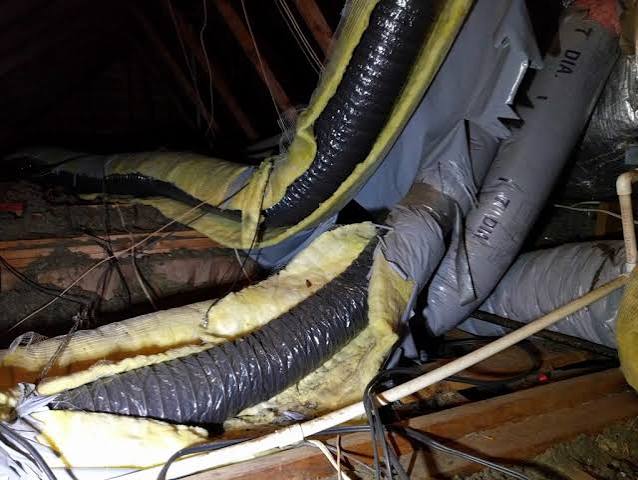
Ducts take physical damage from foot traffic during maintenance, accidental tears from tools, and shifting structural elements. Over years of service, flexible plastic ducts and insulation wrap simply degrade.
Signs of ductwork deterioration to watch for
- Reduced airflow: weak or uneven airflow can signal leaks or blockages.
- Higher energy bills: leaks force the HVAC system to work harder.
- Hot and cold spots: uneven temperatures from poor duct delivery.
- Musty smells: a sign of mold or moisture inside the ducts.
- Visible damage: sagging, disconnected, or crushed ducts in the attic or crawl space.
- Excess dust or allergy flare-ups: leaks pull dust and allergens into circulation.
Attic vs. crawl-space duct failure
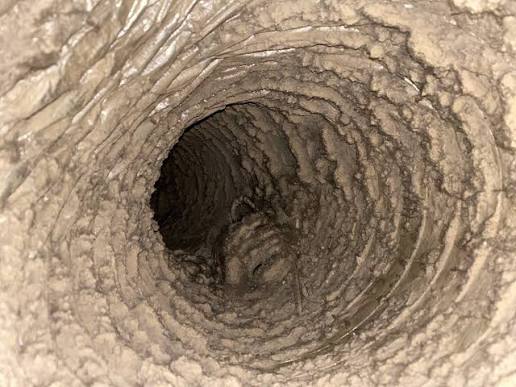
Attic ductwork failure usually starts with the insulation breaking down, so the ducts gain heat in summer and lose it in winter. The result: lower efficiency and higher bills, uneven temperatures, extra wear that shortens HVAC life, mold risk where condensation forms, and worse indoor air as contaminants get in.
Crawl-space ductwork failure is mostly a moisture story — mold colonies inside the ducts and corrosion of metal parts. That can circulate mold spores through the home, worsen allergies and breathing issues, spread structural damage if mold moves beyond the ducts, waste energy through leaks, and open the door to pests.
What Raleigh homeowners can do
Start with a thorough look. A professional can inspect your attic and crawl-space ductwork with duct cameras, airflow meters, and thermal imaging to find leaks, damage, and insulation problems. An independent crawl-space assessment can also flag duct trouble as part of the bigger moisture and airflow picture.
Repair or replace damaged sections. Minor tears, holes, or loose connections can often be sealed with mastic or metal tape. Badly deteriorated runs — flexible ducts in the crawl space or old fiberglass-wrapped ducts in the attic — may need full replacement.
Upgrade insulation and air sealing. Adding or replacing insulation around attic ducts steadies temperatures and improves efficiency. Sealing every joint and seam with quality materials matters in both the attic and crawl space.
Improve ventilation and moisture control. Better attic and crawl-space ventilation reduces moisture and mold risk. Vapor barriers, improved drainage around the foundation, and unobstructed attic vents all help.
Address pests. If pests caused the damage, pair duct repairs with pest-proofing — sealing entry points and working with an exterminator.
Maintaining ductwork for Raleigh's climate
Routine maintenance extends the life of your HVAC system and its ducts. Regular checks — especially before and after the extreme-weather seasons — catch problems early. Scheduling duct cleaning and HVAC tune-ups every few years clears the dust, debris, and mold buildup that drags down performance and air quality.
The bottom line
Ductwork deterioration in the attic and crawl space is a hidden problem that quietly undermines comfort, energy efficiency, and indoor air quality in Raleigh homes. Temperature extremes, humidity, pests, and aging materials make these spaces especially vulnerable. If you notice any of the warning signs, early intervention — a good look, targeted repairs, and the right upgrades — saves money and protects your home season after season.