
Excess moisture in your home’s crawl space or foundation creates an environment termites and wood-damaging insects love. Many Raleigh-area homeowners don’t realize how crucial moisture control is in preventing these costly infestations. Understanding this connection is key to safeguarding your property and maintaining a safe, healthy living environment.
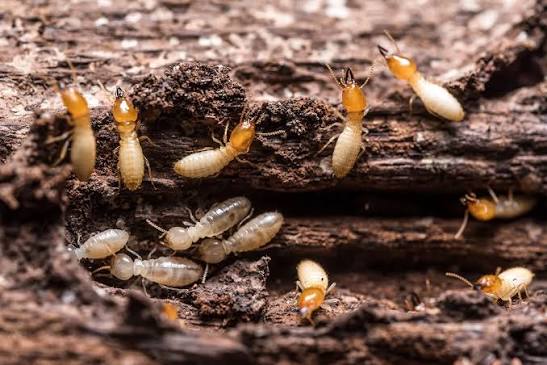
Why Termites Thrive in Moist Conditions in Raleigh
Termites require damp, humid conditions that soften wood, making it easier for them to feed and expand their colonies. Raleigh’s humid climate intensifies this risk, especially in crawl spaces with poor ventilation or standing water. These hidden pests can weaken your home’s wooden structures silently, often without visible signs until serious damage occurs.
Not Just Termites: Other Wood-Damaging Insects in Raleigh Homes
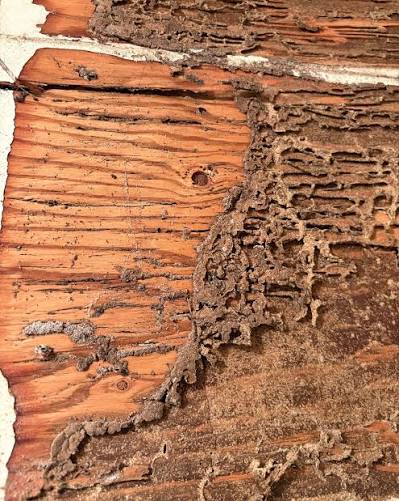
Besides termites, carpenter ants, moisture ants, and wood-boring beetles also flourish in moist, decaying wood common in Raleigh’s basements and crawl spaces. These insects contribute to wood deterioration and mold growth, which can exacerbate indoor air quality problems—an issue many Raleigh homeowners face due to the region’s high humidity.
Common Sources of Excess Moisture in Raleigh Crawl Spaces
- Faulty gutters and downspouts.
- Poor soil grading near the foundation.
- Plumbing leaks.
- Insufficient moisture barriers.
- Inadequate crawl-space ventilation.
Raleigh’s frequent summer storms and seasonal rains worsen drainage issues, so regular maintenance is essential to prevent moisture accumulation that attracts pests.
Effective Moisture Control Solutions for Raleigh Homes
Controlling moisture starts with a comprehensive crawl-space assessment performed by local experts familiar with Raleigh’s unique climate and soil conditions. Typical solutions include:
- Installing high-quality vapor barriers over crawl space floors.
- Improving drainage around your home.
- Sealing vents properly when appropriate for the home’s system.
- Enhancing airflow with dehumidifiers or ventilation systems.
How Local Crawl Space Professionals in Raleigh Can Help
Local contractors should not only provide tailored moisture-control treatments but also educate homeowners about ongoing maintenance crucial in humid Raleigh. They monitor moisture levels, check for new pest activity, and recommend repairing any damage promptly to help prevent further termite infestations or costly repairs.
Why Proactive Moisture Management Matters for Raleigh-Area Homeowners
In Raleigh’s warm, moist environment, unchecked crawl space moisture often leads to pest infestations and structural damage that could cost thousands in repairs. Regular assessments and early intervention are vital to protecting your home and preserving its value.
Additional Crawl Space Tips for Raleigh Residents
- Always keep gutters and downspouts clean and extend them away from your foundation to prevent pooling.
- Ensure soil around your foundation slopes away from your home to naturally direct water away.
- Avoid blocking vents unless advised by a professional; proper ventilation is key.
- Schedule crawl space assessments annually, especially before and after Raleigh’s rainy seasons.
Take Action Now to Protect Your Raleigh Home
Moisture control is the frontline defense against termites and wood-damaging pests in Raleigh-area homes. If you suspect excess moisture or pest damage, contact a trusted local crawl space professional. They can perform a thorough assessment and recommend effective, customized solutions to safeguard your home’s structure and indoor air quality.
Further reading and authoritative sources
Independent, third-party guidance on crawl-space moisture and pest prevention that we recommend to homeowners:
- EPA — Mold, Moisture, and Your Home: the federal reference on how moisture drives biological growth in residential settings.
- NC State Extension — Subterranean Termites: Biology and Control: the definitive North Carolina guide to the termite species most active in the Raleigh area.
- HUD — Moisture Control in Crawl Space Housing: HUD's technical guidance on residential moisture control, including drainage, ventilation, and vapor barriers.
Does moisture control replace a termite inspection or treatment?
No. Moisture control reduces conducive conditions, but it does not identify or eliminate an active infestation. A qualified pest-management professional should evaluate suspected termites, while the crawl-space plan addresses leaks, standing water, drainage, and damp wood that can increase risk.
NC State Extension identifies wet crawl spaces and standing water as conditions conducive to termites and recommends fixing the cause. Its termite monitoring guidance also explains that drainage, leaks, condensation, and moist wood can interfere with long-term protection.
What should homeowners coordinate before crawl-space work?
Coordinate moisture work with the pest company before moving soil, adding drains, covering foundation surfaces, or changing inspection access. Some work can disturb treatment zones or hide areas that need to remain visible.
- Document active and previous pest findings before repairs begin.
- Ask which inspection gaps and access points must remain visible.
- Fix plumbing leaks and exterior drainage defects promptly.
- Keep wood debris and direct wood-to-soil contact away from the structure.
The EPA's termite guidance similarly recommends keeping soil near the foundation dry through grading and drainage, fixing leaks, and inspecting periodically.
Quick answers
Common questions about this crawl-space decision
Does crawl-space moisture actually invite termites and other pests?
Excess moisture can make crawl spaces more favorable to termites and other wood-damaging organisms, but moisture control is not a substitute for pest inspection or treatment. Correct leaks, drainage problems, and persistent dampness while a qualified pest professional evaluates evidence of active infestation and recommends the appropriate response.
What crawl-space moisture level attracts termites in the Raleigh area?
A moisture reading is useful context, but no single reading proves or rules out termite activity. Readings vary by material, location, season, and meter method. Use them to locate damp areas and track moisture-control work, then rely on a qualified pest inspection to identify termites, tubes, damaged wood, or other direct evidence.
Can I prevent termite damage without treating with pesticides?
You can dramatically reduce the risk. A properly installed vapor barrier, adequate ventilation or encapsulation, and drainage that pulls water away from the foundation together lower crawl-space wood moisture below the level termites can thrive at. Chemical treatments are still recommended for active infestations, but moisture control is the long-term prevention that pesticides alone can't replace.
What are the earliest signs of moisture-related pest activity?
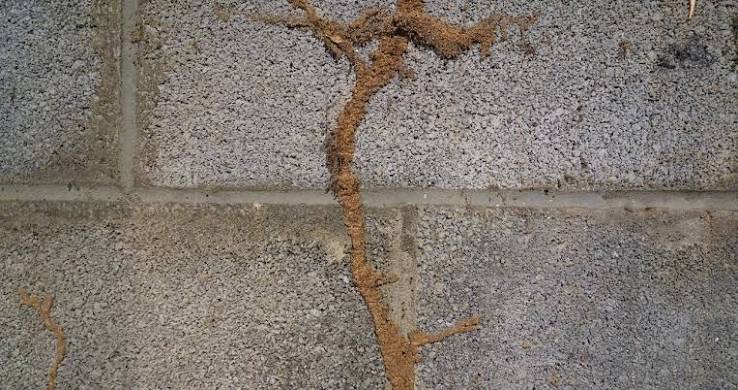
Watch for small piles of what looks like sawdust near wood framing (that's frass, from wood-boring beetles), mud tubes climbing from soil to sill plates (termites), and discarded wings on the crawl-space floor during spring (termite swarmers). Any one of these is worth an urgent look — the damage compounds silently between when it starts and when you see it above the floor.
Do pest control companies check for moisture, or just apply treatment?
Most pest control companies check moisture only in the context of selling a moisture-control product like a dehumidifier or a partial vapor barrier. The check is usually cursory. A JAGS assessment does the moisture reading first, in multiple locations, then tells you honestly whether the pest problem you're worried about has an underlying moisture cause worth addressing before treatment.