
Standing water in a crawl space is a drainage, plumbing, or groundwater problem — not just humidity — and it won’t resolve on its own.
Standing water in your crawl space is a common but serious problem for homeowners in the Raleigh, North Carolina area. Moisture buildup can lead to structural damage, mold growth, and poor indoor air quality. Understanding the causes of crawl space water issues and knowing the remedies can help protect your home and your family's health.
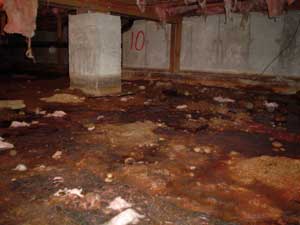
Common causes of standing water in Raleigh crawl spaces
One primary reason for standing water in crawl spaces is poor drainage around your home. In Raleigh, heavy rainfalls and seasonal storms can overwhelm your yard's ability to divert water away from the foundation, causing water to pool underneath your home. Improper grading or clogged gutters and downspouts often contribute to these drainage issues.
Plumbing leaks and HVAC condensation
Leaks from plumbing pipes running through your crawl space are another frequent cause of water accumulation. Even small leaks can result in persistent dampness. Additionally, HVAC units located in crawl spaces can produce condensation, especially when drainage systems are blocked or malfunctioning, which can contribute to standing water.
Groundwater seepage and high water table
In certain areas of Raleigh with a high water table, groundwater may naturally seep into your crawl space, especially during wet seasons. This seepage can cause persistent moisture problems despite other preventive measures, making it crucial to implement effective waterproofing solutions.
How to identify water issues in your crawl space
Signs of standing water include visible puddles, a damp or musty smell, mold growth on wood or insulation, and increased humidity in your home. Regular assessments, especially after heavy rains, help catch water issues early before they cause serious damage.
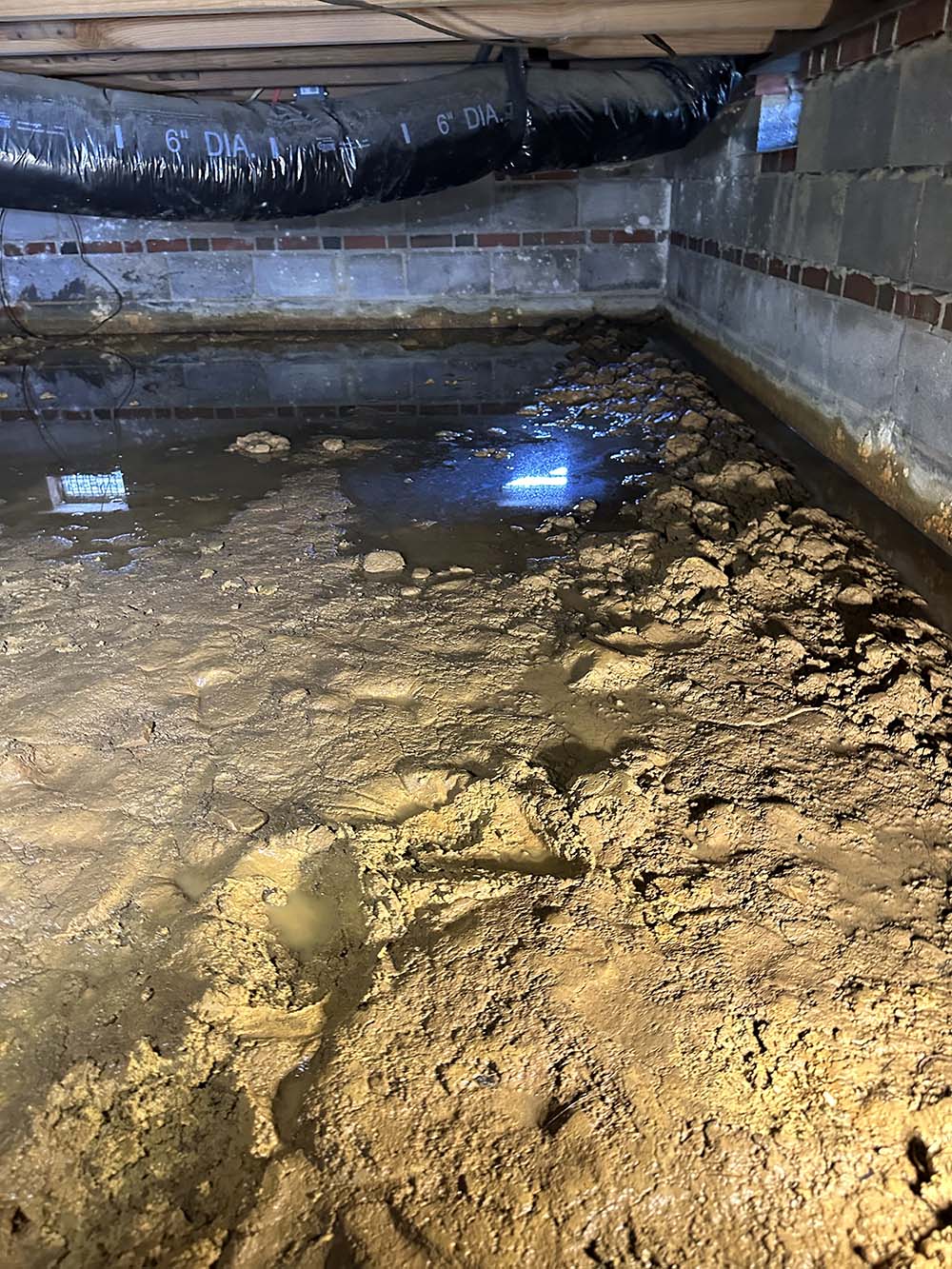
Effective remedies to eliminate crawl space water in Raleigh homes
One of the first steps to combat standing water is improving exterior drainage. This includes regrading your yard to slope away from the foundation, cleaning gutters, and installing downspout extensions. These measures help keep rainwater away from your crawl space.
Installing a vapor barrier and drainage systems
Adding a high-quality polyethylene vapor barrier over the crawl space floor can significantly reduce ground moisture. For homes with severe water issues, installing a drainage system such as a French drain or sump pump can actively remove water before it accumulates, protecting your crawl space from flooding.
Crawl space encapsulation for long-term protection
Encapsulation involves sealing the crawl space with a vapor barrier on the floor and walls, along with dehumidification systems. In the humid Raleigh climate, this creates a controlled environment that keeps moisture and water out, improving air quality and structural integrity.
Partner with local experts for crawl space water solutions
If you suspect standing water in your crawl space, it's important to have a professional assessment from trusted crawl space specialists in the Raleigh, NC area. Local experts can tailor water management and waterproofing solutions that suit your home's unique conditions, helping preserve its value and safety.
Addressing standing water in your crawl space promptly protects your Raleigh home from costly damage and health risks. Whether through improved drainage, vapor barriers, or encapsulation, local professionals can help you find the best solution.
Further reading and authoritative sources
Independent guidance we recommend for homeowners diagnosing standing water and crawl-space drainage problems:
- EPA — Mold, Moisture, and Your Home: the federal reference on how standing water and elevated humidity drive mold growth in residential spaces.
- HUD — Moisture Control in Crawl Space Housing: HUD's technical guidance on drainage, grading, ventilation, and vapor barriers for wet crawl spaces.
- Building Science Corporation — New Light in Crawl Spaces: independent research on why humid-climate crawl spaces fail and what actually works.
What should happen before encapsulating a wet crawl space?
Identify and control bulk water before installing a sealed ground and wall system. Remove active water, check plumbing and condensate, observe exterior grading and downspouts, and determine whether water enters through the wall, floor, or an isolated failure.
The EPA's moisture-prevention guidance says water entry into crawl spaces should be stopped quickly and identifies regrading and sump systems as possible measures depending on the source. NC State Extension likewise advises homeowners to prevent runoff from pooling near the foundation and to inspect foundation walls for dampness.
How can homeowners document a recurring water problem?
Record location, depth, timing, weather, and equipment status before the evidence disappears. Photos immediately after rainfall can reveal patterns that a dry-day visit cannot reproduce.
- Mark where water first appears and where it collects.
- Check downspout discharge and low areas around the foundation.
- Note pump operation, plumbing use, and HVAC condensate at the time.
- Retest after repairs before covering the area with new materials.
The Department of Energy's crawl-space ground-barrier guidance explains that ground covers manage soil moisture but should be part of broader measures that keep bulk water away.
Quick answers
Common questions about this crawl-space decision
What causes standing water in a crawl space?
Most standing water traces back to one of four sources: poor perimeter drainage (water pooling against the foundation), an interior plumbing leak, a groundwater table that rises seasonally, or a failed sump pump. In the Raleigh area, poor drainage is the most common cause by a wide margin. Identifying which of the four you're dealing with determines the fix — and it's the first thing we look at.
Is standing water in a crawl space always an emergency?
Not always, but it should be investigated promptly. Standing water can support mold growth and wood deterioration when the moisture persists. The right urgency depends on the source, whether electrical or HVAC equipment is affected, and whether water is still entering. Document the condition, avoid unsafe access, and identify the source before covering the area.
Can I fix standing water in my crawl space myself?
You can address the surface water yourself with a sump pump or a wet-vac, but that only treats the symptom. The cause — usually drainage, grading, or a plumbing leak — needs professional identification before spending money on encapsulation or a permanent sump system. Fixing the wrong layer first is one of the most expensive mistakes we see homeowners make.
How much does it cost to fix a wet crawl space in the Raleigh area?
Cost depends on the source, access, drainage design, plumbing or pump work, and whether damaged materials need repair. A grading correction and a full interior drainage system are fundamentally different scopes, so a price range without a diagnosis can mislead. Ask for an itemized proposal tied to the documented water path and compare like-for-like scopes.
Should I install an encapsulation to solve standing water?
Encapsulation is a moisture-control layer, not a water-control solution. If you have active standing water, encapsulating without addressing the water source first will trap moisture underneath the barrier and accelerate framing damage. Fix the water source first, then decide whether encapsulation is the right long-term moisture management for your home.