
If you live in the Raleigh, North Carolina area and are considering a polyethylene vapor barrier for your crawl space, understanding the importance of thickness is essential. Polyethylene vapor barriers come in various thicknesses, and selecting the right one can make a big difference in moisture control, durability, and the long-term protection of your home.
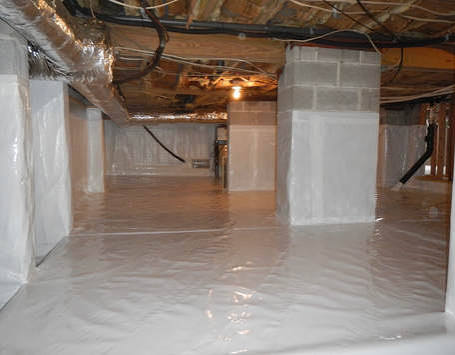
Common thickness options
Polyethylene vapor barriers are typically measured in mils (1 mil = 0.001 inch). The most common thicknesses found in residential applications are 6 mil, 10 mil, and 20 mil. Each serves a different purpose and offers its own benefits and limitations.
6-mil: lightweight and budget-friendly
The 6-mil vapor barrier is the most basic and economical option. It provides a moisture barrier that prevents dampness from seeping through dirt or concrete into your crawl space or basement.
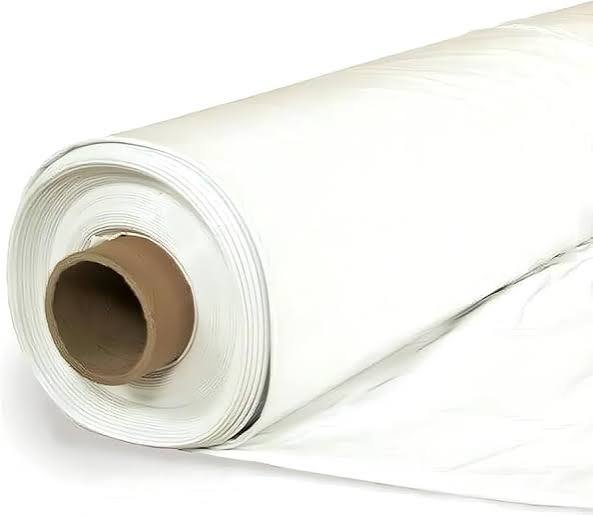
Pros:
- Cost-effective for larger areas
- Easy to handle and install
- Suitable for areas with low moisture exposure
Cons:
- Less durable and more prone to tears and punctures
- Shorter lifespan compared to thicker barriers
- Not ideal for high-traffic crawl spaces or heavy-duty applications
10-mil: balanced durability and price
At 10-mil thickness, this vapor barrier is a popular choice in the Raleigh area, offering a stronger, more puncture-resistant option than 6 mil.
Pros:
- Greater durability against punctures from rocks, debris, or foot traffic
- Still affordable for most homeowners
- Provides effective moisture control for typical crawl spaces and basements
Cons:
- Slightly heavier and more challenging to install than 6 mil
- Might require overlapping seams for a perfect seal
20-mil: heavy-duty protection for long-term use
The 20-mil polyethylene vapor barrier is the thickest commonly used for residential purposes. It offers excellent strength and longevity.
Pros:
- Highly resistant to tears, punctures, and damage
- Provides long-term protection for crawl spaces with moisture or pest concerns
- Ideal for homes in humid or wet climates like Raleigh, NC
Cons:
- Higher material cost and installation effort
- Bulkier and more difficult to handle
Why thickness matters for Raleigh homes
Raleigh's humid climate means moisture control is a priority for homeowners. Thicker vapor barriers offer superior protection against the mold, mildew, and wood rot caused by moisture seeping into crawl spaces and basements. Choosing the right thickness can reduce costly repairs and improve indoor air quality.
Expert installation and local guidance
Proper installation is just as important as choosing the right thickness. If you live in the Raleigh area, having a professional assess your home and your individual needs means you'll get a recommendation for the vapor barrier thickness that's right for you — and a seamless installation that maximizes moisture protection.
Further reading and authoritative sources
Independent guidance we recommend when comparing vapor barrier materials and installation methods:
- Building Science Corporation — New Light in Crawl Spaces: independent research on why humid-climate crawl-space assemblies fail and what actually works.
- U.S. Department of Energy — Moisture Control: federal guidance on moisture management, including vapor retarder selection.
- HUD — Moisture Control in Crawl Space Housing: HUD's technical guidance on vapor barrier installation for residential crawl spaces.
Is thickness the most important vapor-barrier specification?
No. Thickness affects durability, but continuity, seam treatment, penetrations, wall attachment, drainage, and future service access determine whether the system works as intended. A thicker sheet cannot correct standing water or compensate for open seams.
The Department of Energy's crawl-space capillary-break guidance calls for a continuous polyethylene ground cover, sealed seams, sealed penetrations, and attachment at walls and piers. It describes 6-mil polyethylene as a baseline detail, not a universal product recommendation for every existing home.
What should a vapor-barrier quote specify?
The quote should identify material thickness and type, preparation, coverage, seam method, fastening, penetrations, exclusions, warranty, and how the installation interacts with drainage and termite inspection access.
- Confirm bulk water and plumbing leaks are handled before the new barrier.
- Ask how piers, columns, pipes, and access paths will be detailed.
- Clarify whether the barrier is a ground cover or part of a sealed, conditioned crawl-space system.
- Preserve required pest-inspection visibility and service access.
NC State Extension recommends checking that crawl-space vapor barriers remain correctly placed and in good condition as part of routine home maintenance.
Quick answers
Common questions about this crawl-space decision
What is the right vapor barrier thickness for a crawl space?
There is no universal best thickness. Compare the product's tested properties, puncture resistance, reinforcement, seam and penetration details, expected service traffic, warranty, and compatibility with the overall moisture plan. A thicker sheet may be useful in demanding areas, but careful preparation and continuous installation matter as much as the mil number.
Is 6-mil vapor barrier good enough for a Raleigh-area home?
A 6-mil product may satisfy a particular specification, but suitability depends on the assembly and expected use. Thin, unreinforced material can be more vulnerable to punctures during installation or service. Verify the applicable code and project requirements, then compare product data and installation details rather than assuming thickness alone determines performance.
When is 20-mil vapor barrier worth the extra cost?
A 20-mil product may be worthwhile where service traffic, rough substrates, or project specifications call for greater durability. It is not a substitute for bulk-water control, correct seams, sealed penetrations, or proper attachment. Compare the complete installed system and product data before deciding whether the added material cost solves a real site condition.
How long does a vapor barrier last in a Raleigh-area crawl space?
Service life cannot be predicted reliably from thickness alone. Product formulation, reinforcement, ultraviolet exposure before installation, substrate preparation, foot traffic, water conditions, seam quality, and later trade work all affect durability. Inspect the barrier periodically and after service visits, and use the manufacturer's documentation and warranty for product-specific expectations.
Should I install a vapor barrier myself?
You can, but the details matter more than the material. Proper installation requires overlapping seams, taping to foundation walls with a specific mastic, sealing around piers, and not covering any active moisture sources. A poorly installed 20-mil barrier performs worse than a properly installed 6-mil. If you're not confident in the details, professional installation is often the difference between a barrier that lasts 15 years and one that fails in 3.